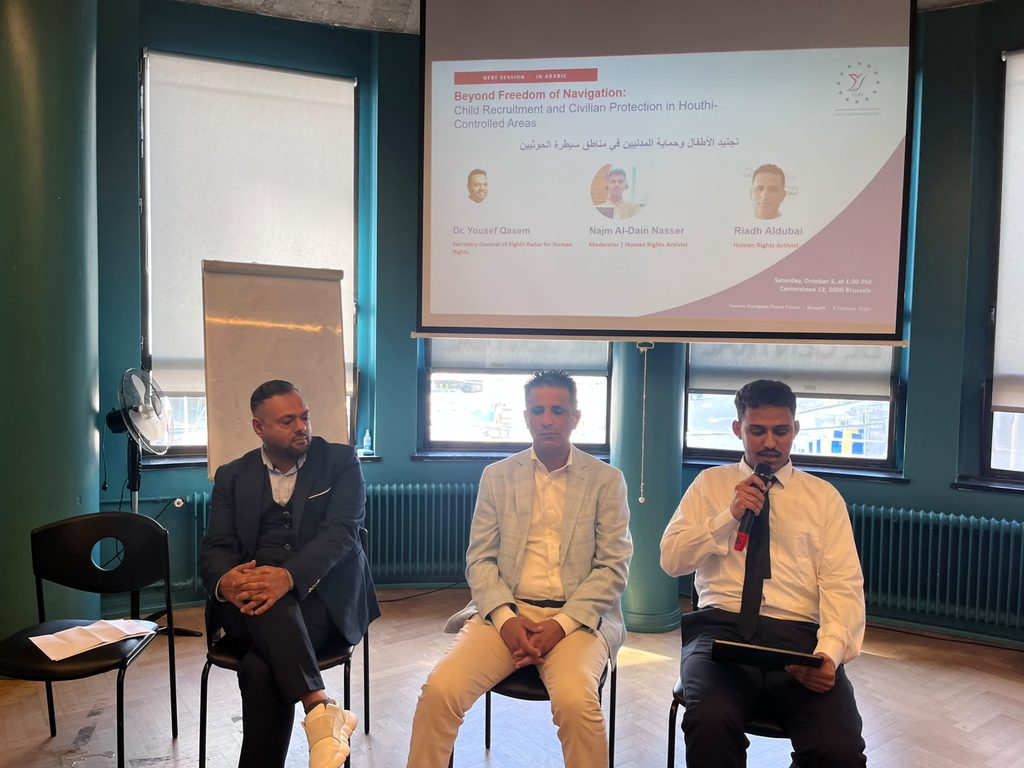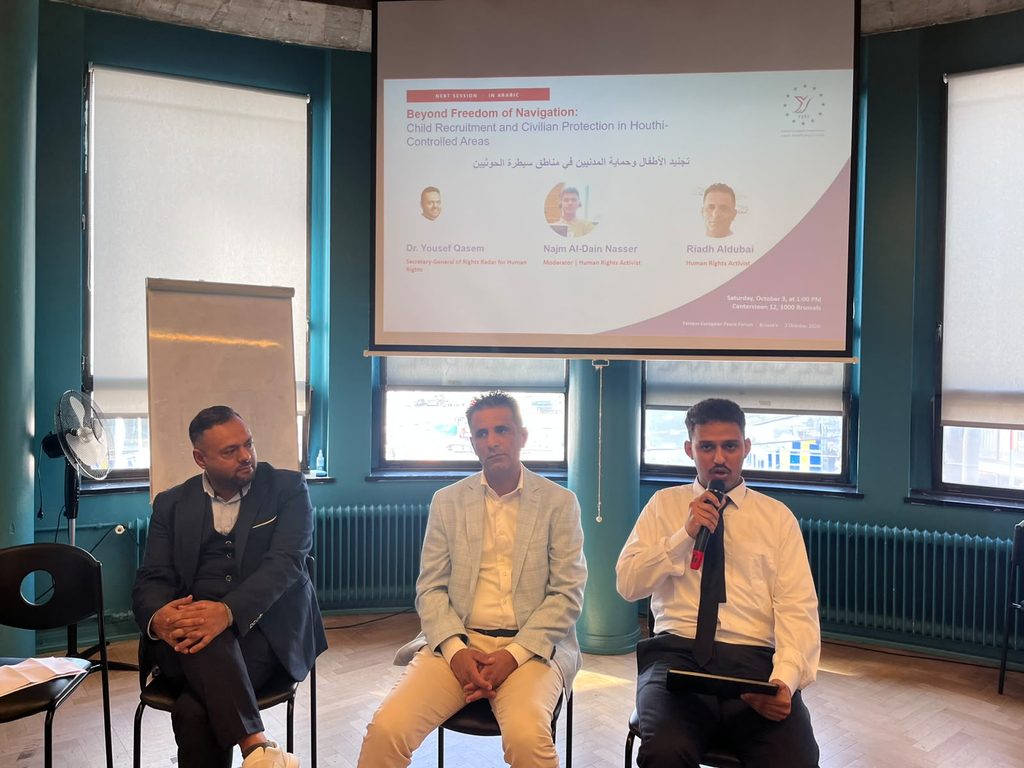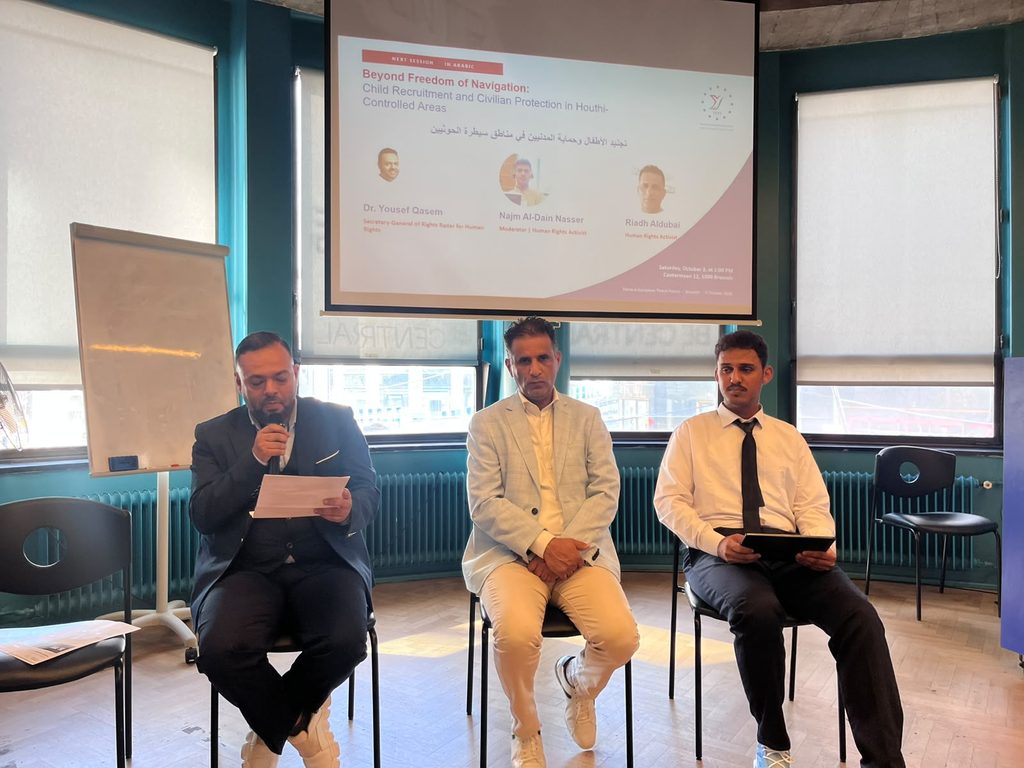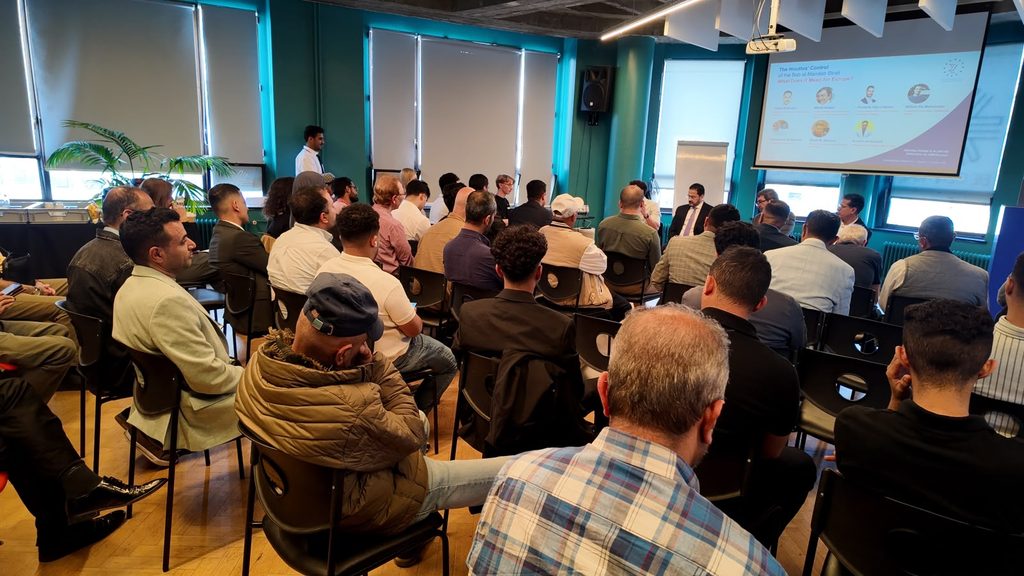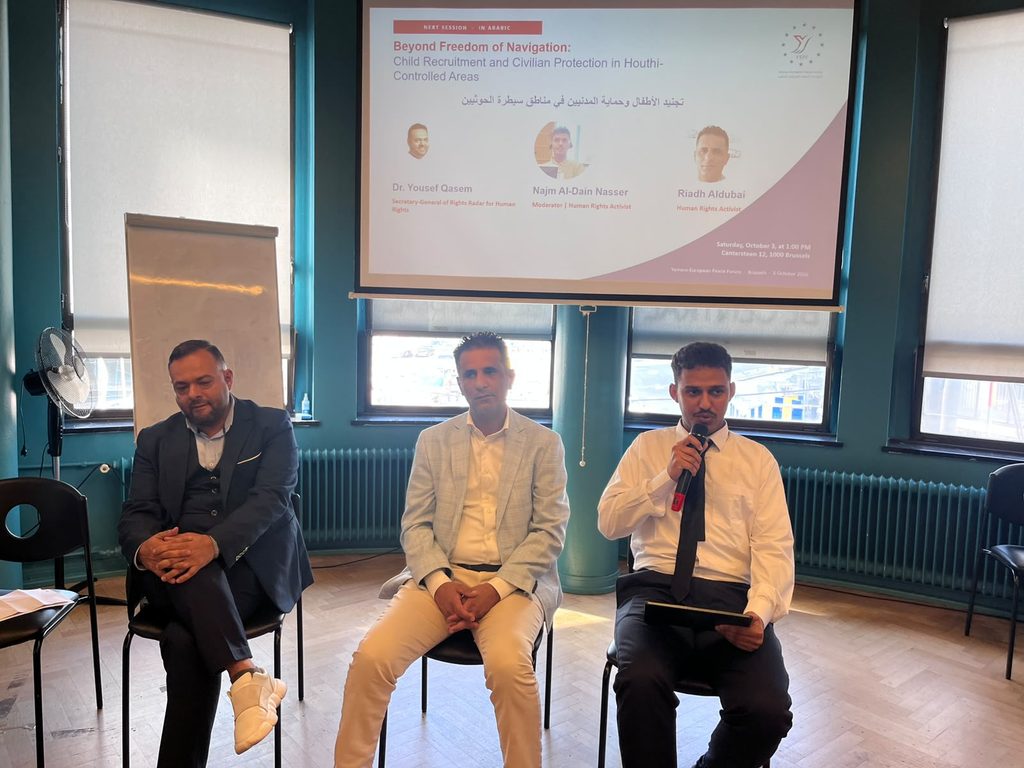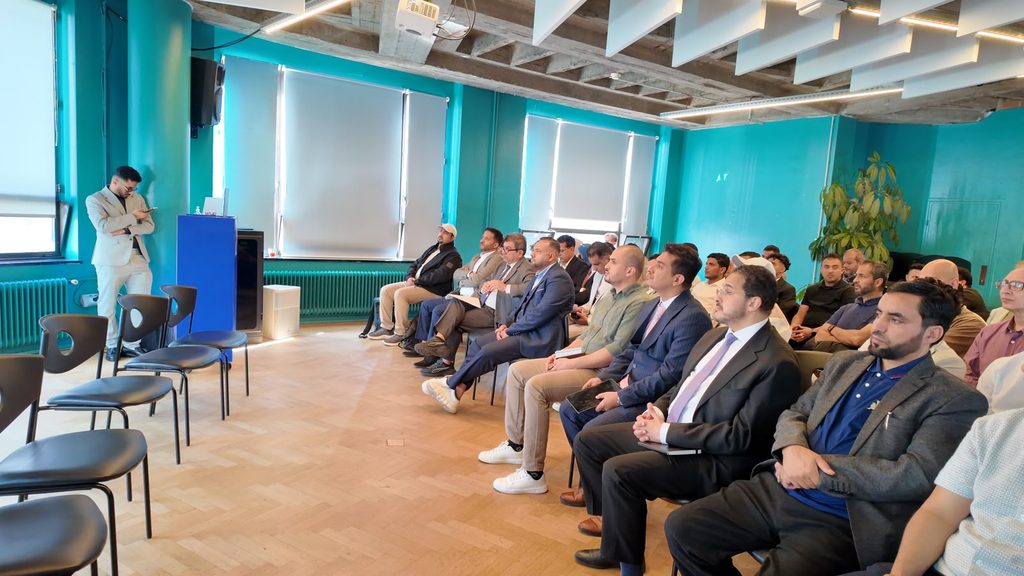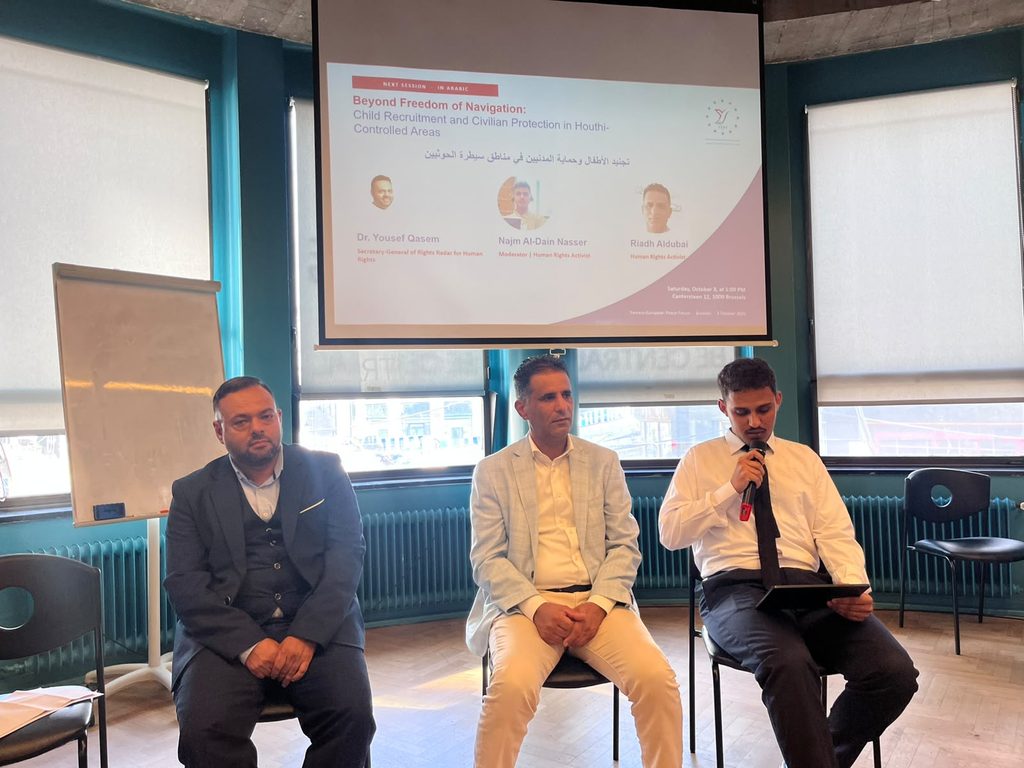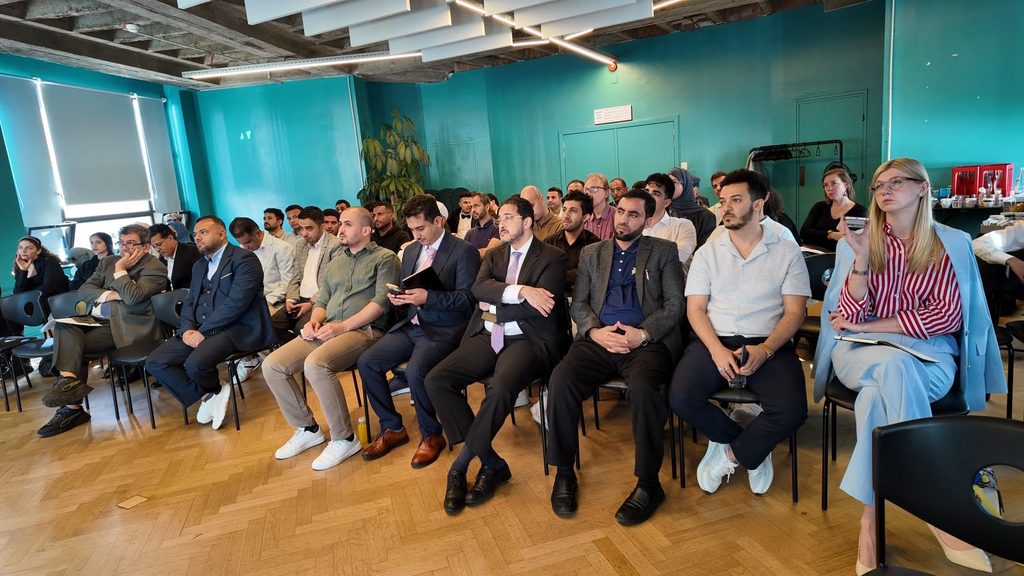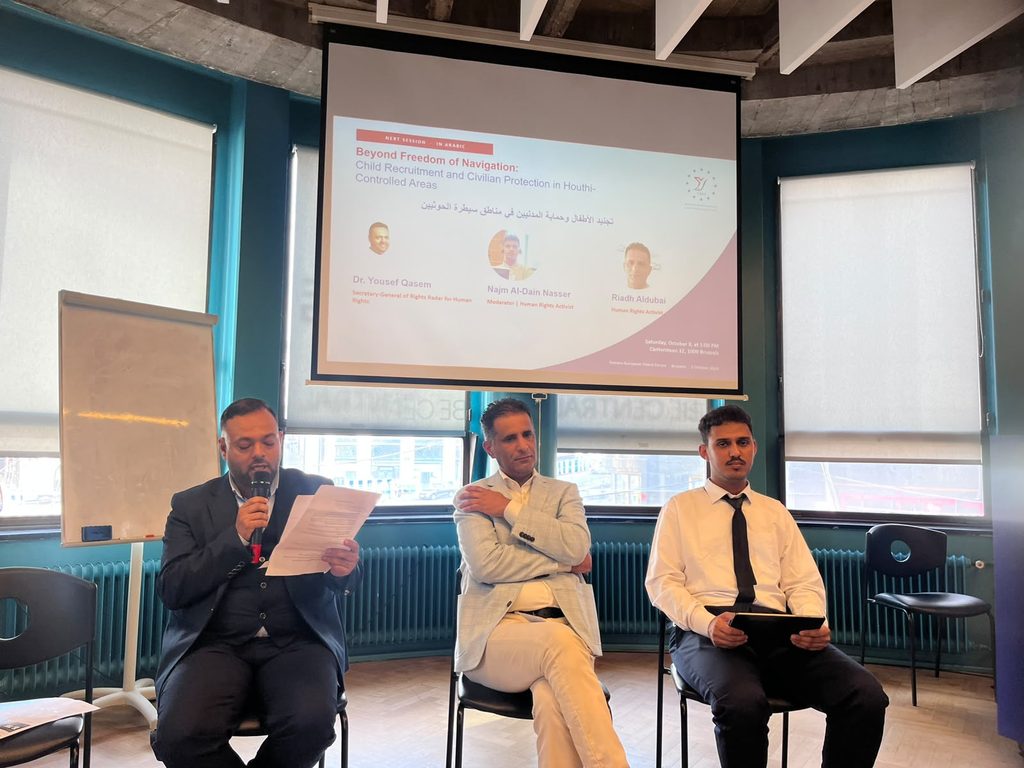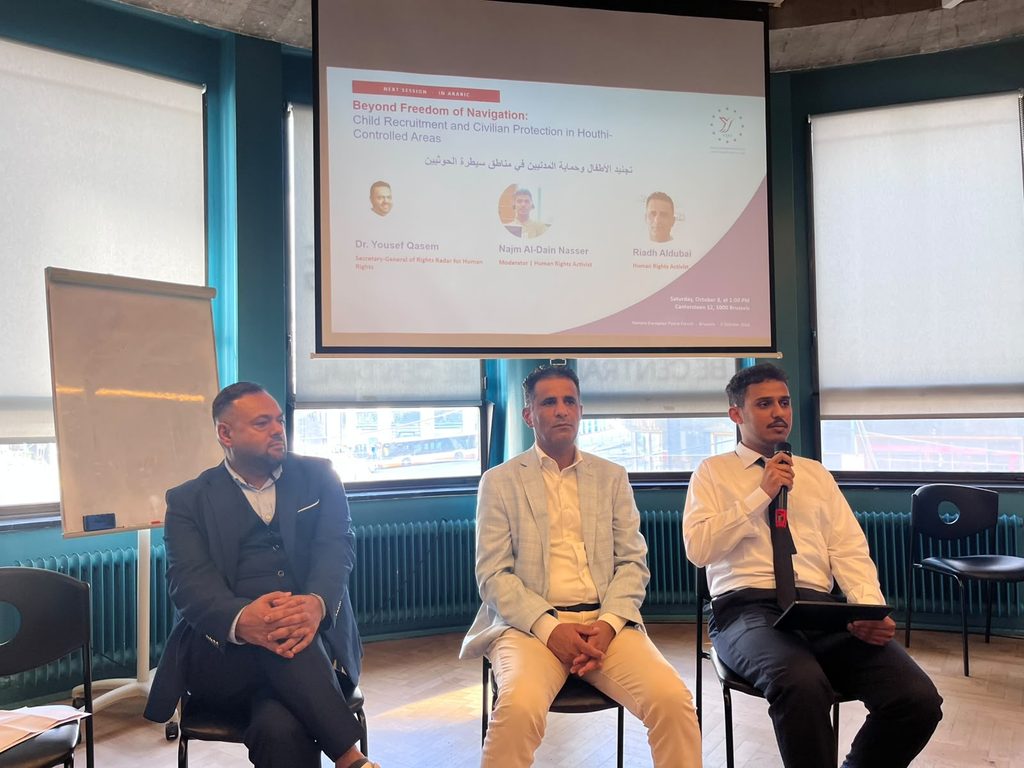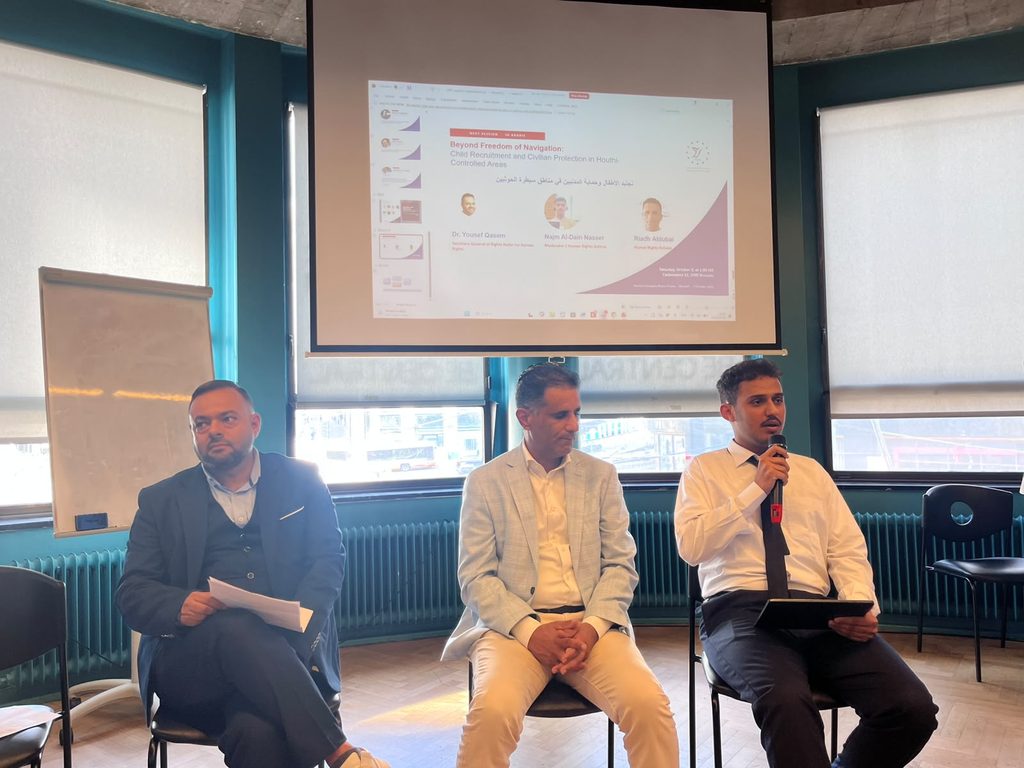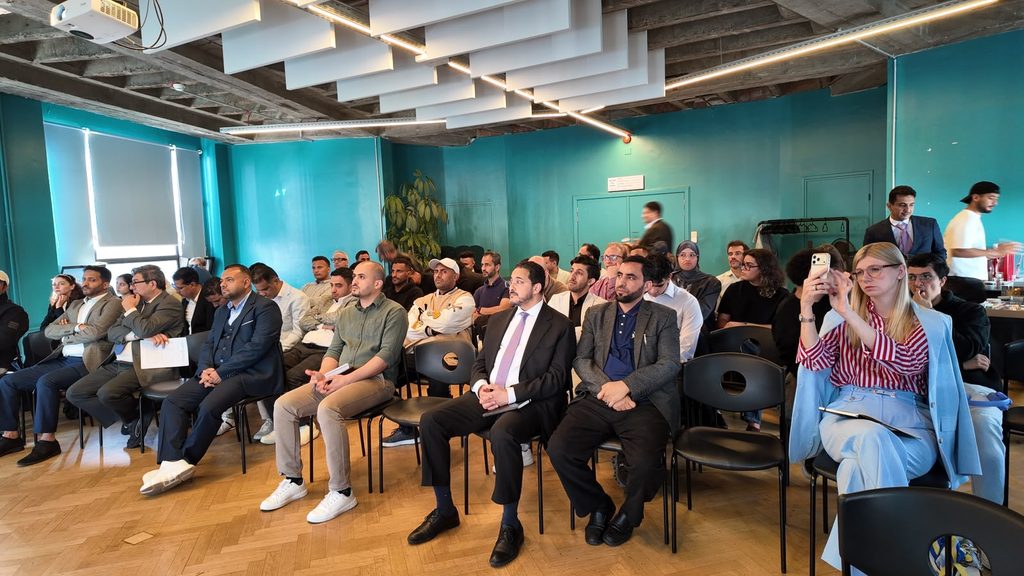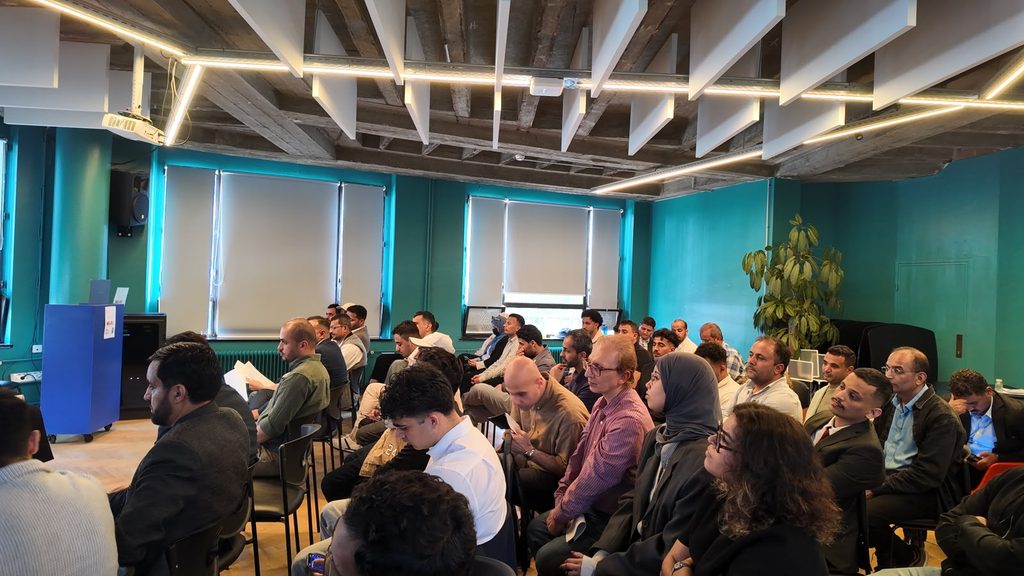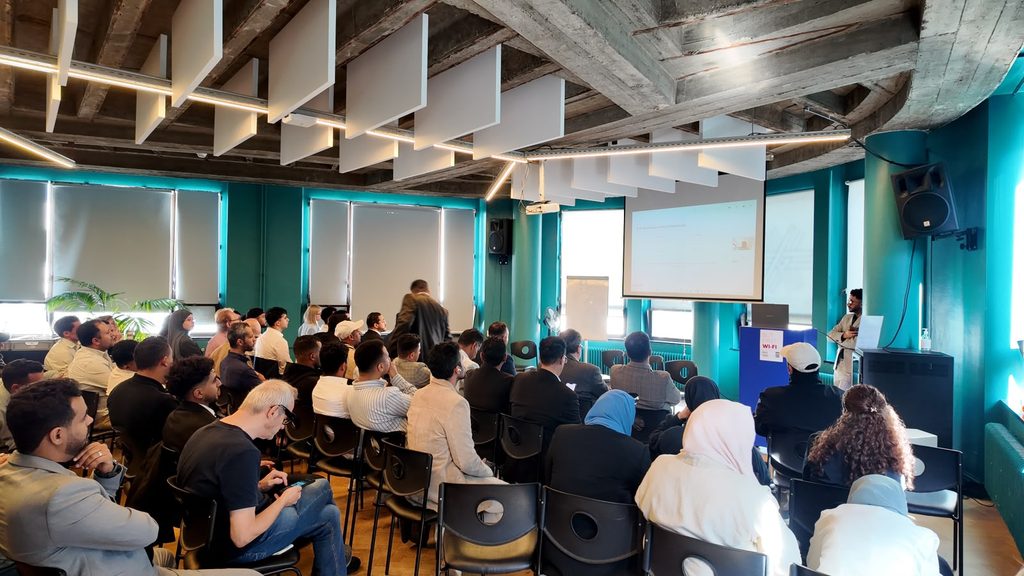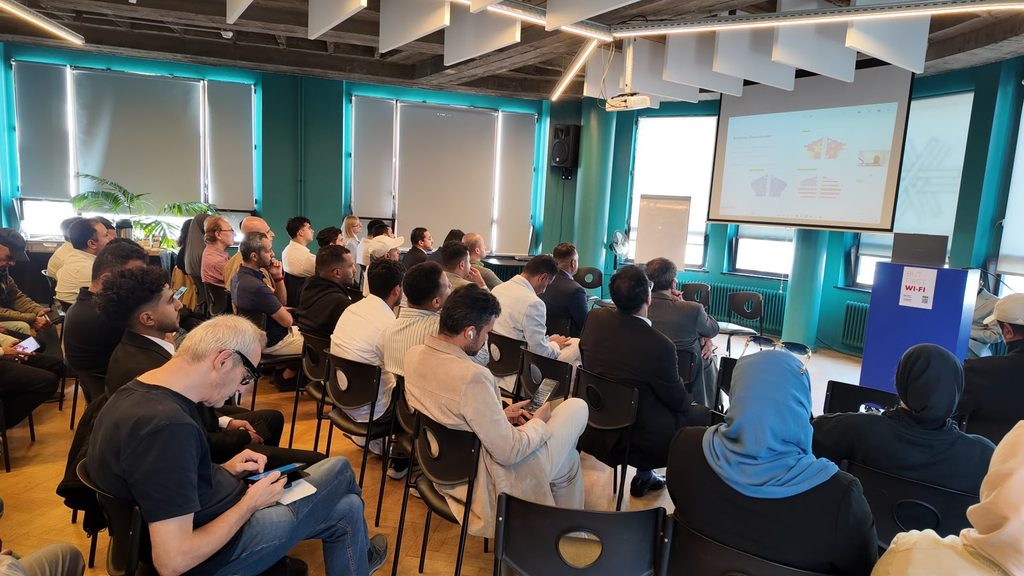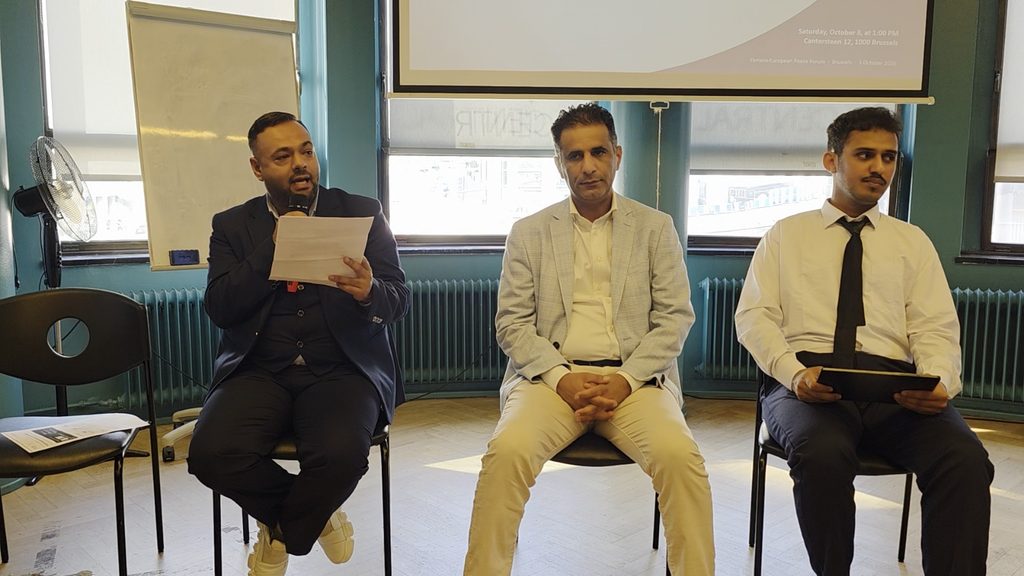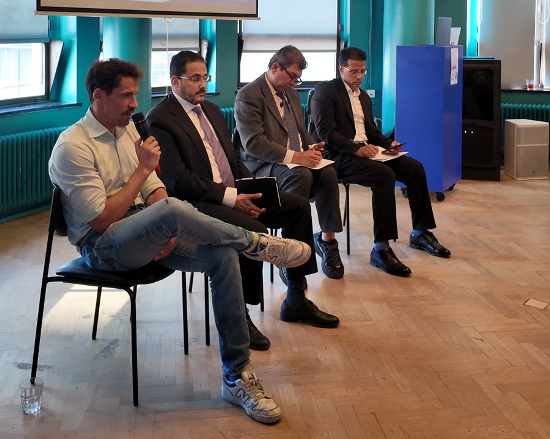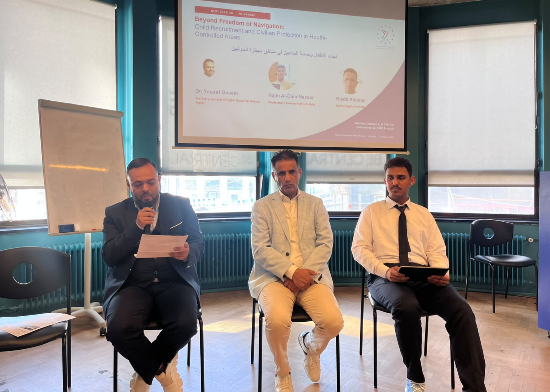
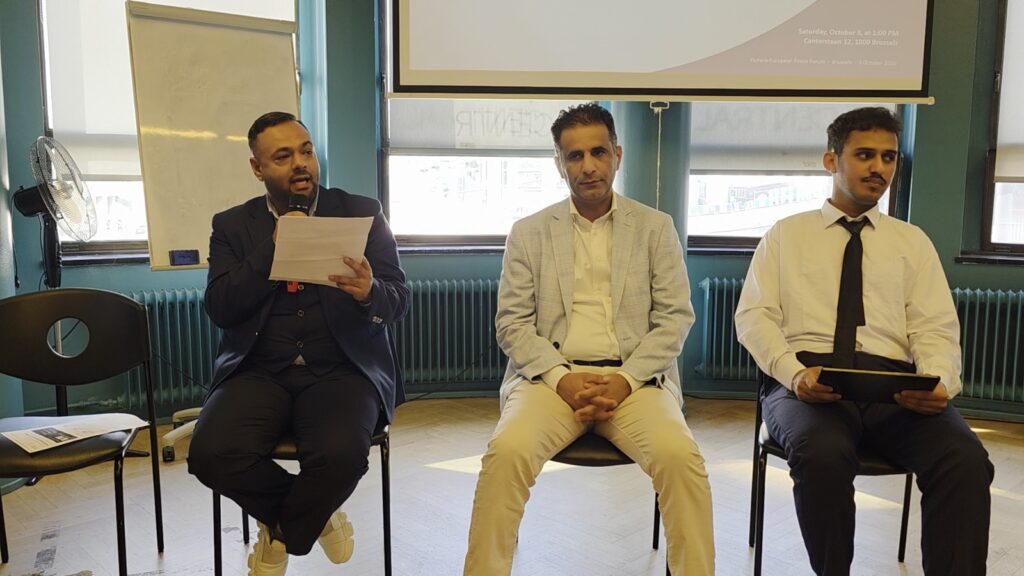
At the seminar organized by the Yemeni-European Peace Forum
Brussels, Belgium · 10 October 2026
Dr. Yousef Qasem
Secretary-General, Rights Radar for Human Rights
Ladies and gentlemen, distinguished guests,
I thank the Yemeni-European Peace Forum and everyone who contributed to organizing this distinguished human rights gathering.
The ancients called my country, Yemen, Arabia Felix. In that land today, at least 113 schools have been turned into centres for mobilization and recruitment; the classroom where a child should learn to read has become the place where he learns to carry a weapon.
We meet today in Brussels, where European decisions are made and international justice policy is shaped, to address the conscience of the world on a cause in which denunciation is no longer enough, and in which we can no longer settle for issuing statements of condemnation. The time has come for us to move together from the narrative of the victim to a strategy for justice, and from documenting violations to prosecuting their perpetrators before the courts.
While the world mobilizes to protect navigation in the Red Sea and the Strait of Hormuz, and to secure the artery of international trade, something the rules of international law recognize, we ask here in the voice of the victims: how is it that the security of goods receives an urgent response, while the Yemeni people are left to face killing, shelling, detention, enforced disappearance and the uprooting of childhood?
We affirm from this platform that the security of the Red Sea cannot be separated from the dignity and security of the Yemeni people, and that no sustainable peace can be built on the bodies of victims or by trading justice for politics.
First: Human dignity behind the numbers (what we documented)
In the autumn of 2024, our organization received a short message from a mother in a village, who wrote: “They took my fourteen-year-old son from his school a year ago, and I no longer know whether he is eating, or sleeping, or still alive.”
This mother is still waiting at this very moment, and her message is one of hundreds that our memory holds.
From September 2014 to the end of September 2026, Rights Radar for Human Rights documented 17,247 violations committed by the Houthi group against children, across the six categories the United Nations has adopted to monitor grave crimes in armed conflict.
Every number we cite today is not a mere lifeless statistic; it is a wound in the body of humanity:
- 7,698 children recruited and used in the furnaces of armed conflict: 7,698 school desks replaced by a weapon.
- 1,855 children killed, and 4,773 others wounded, with injuries and trauma that will stay with them for life.
- 1,246 cases of arbitrary detention, enforced disappearance and torture in the darkness of prisons.
- 1,305 attacks on schools and hospitals, including 113 schools openly turned into centres for mobilization, recruitment and incitement.
- 360 incidents of humanitarian aid blocked or obstructed from the mouths of the hungry.
Although the group signed an action plan with the United Nations in 2022 to end child recruitment, evidence from the field has shown that these official commitments were merely a strategic cover. In the past four months alone, from June to September 2026, Rights Radar for Human Rights documented 309 violations in Taiz and Hodeidah alone, including the killing of 55 civilians, among them executions, extrajudicial killings and death under torture, and 26 new cases of child recruitment.
Let me be clear and precise: these figures represent the documented and proven minimum. They do not reflect the full, appalling scale of the catastrophe, only what the cameras and pens of human rights defenders were able to reach despite the risks.
Second: From documentation to criminal accountability
The first thing a person loses when the protection around them collapses is not any particular right, but “the right to have rights”. That is exactly the condition of the recruited child in Sa’dah, of the forcibly disappeared in Sana’a and Ibb, and of the mother who knocks on prison doors and gets no answer. They live beyond the reach of protection: no authority protects them, and no court hears them.
That is why documentation without a legal strategy is nothing more than archiving the tragedy. The documented incidents therefore require us to move at once to their legal characterization: do they constitute war crimes, or do they rise to crimes against humanity under the elements of the Rome Statute?
Crimes against humanity require proof that these violations were not individual acts, but took place as part of a widespread or systematic attack against a civilian population, pursuant to an organizational policy.
War crimes require each incident to be linked to the armed conflict, and the elements of individual criminal responsibility to be met for those who gave the order, planned it and carried it out.
On child recruitment specifically, the Rome Statute criminalizes the recruitment of children under the age of fifteen as a war crime with all its elements complete. The recruitment of those aged 15 to 17 is a grave breach of international obligations, which must be ended and its perpetrators held to account.
Third: Pathways to international and European justice
We know that Yemen is not a party to the Rome Statute, but the geography of the crime will not prevail over the peremptory norms of international law.
The door of the International Criminal Court remains open, either through a declaration by the Yemeni government accepting its jurisdiction, or through a referral by the UN Security Council. We affirm here that if the Court gains jurisdiction, it will cover the situation in Yemen with all its parties and leaders, and we welcome that with full courage, because the justice we seek excludes no one and grants no immunity to any oppressor.
As for universal jurisdiction before European courts, the trials concerning crimes committed in Syria before European national courts, particularly in Germany, offer an inspiring model and a practical path. This path starts today: by preparing complete legal files, and building structural investigations that trace chains of command and orders before suspects are identified.
Fourth: Our requests from the heart of Brussels
When Europe sends its ships to protect navigation and trade in the Red Sea, its values are also tested on land, in protecting the people who live on the shores of that sea. From here, we address four practical, procedural requests to the European Union and its member states:
- Establish an independent international mechanism to collect, preserve and analyse evidence, filling the gap left since the mandate of the Group of Eminent Experts (GEE) was terminated in 2021.
- Build the criminal-justice capacity of national organizations: enable Yemeni organizations to build files that meet international judicial standards, and connect them with war crimes units in European states that apply universal jurisdiction.
- Activate the sanctions regime: apply the EU Global Human Rights Sanctions Regime to individuals and leaders whom the evidence shows to be responsible for grave violations.
- Make protection a condition of the political process: make an immediate end to child recruitment, the release of those arbitrarily detained and the disclosure of the fate of the forcibly disappeared essential conditions, with verifiable indicators, in any political contact or engagement with the Houthi group.
Ladies and gentlemen,
Article 1 of the Universal Declaration of Human Rights states: “All human beings are born free and equal in dignity and rights.” The moral question Yemen puts to the world today is this: do these words apply to a child in Amran, Dhamar and Sa’dah, or do they stop at certain geographic and political borders?
The recruited child is waiting to be released and to return to school. The detainee is waiting for freedom and redress. The mother of the forcibly disappeared is waiting to know the truth. And the victims of killing and torture are waiting for responsibility to be established and perpetrators held to account.
Civil society has travelled half the road in documentation, preservation and testimony, under harsh conditions in which some defenders paid for this work with their freedom and their lives. The second half, however, civil society cannot travel alone.
The victims in Yemen do not need more condemnation alone; they need truth, redress and accountability. Because memory that does not reach justice remains an open wound. It must become a path to justice.
Peace be upon you, and God’s mercy and blessings.